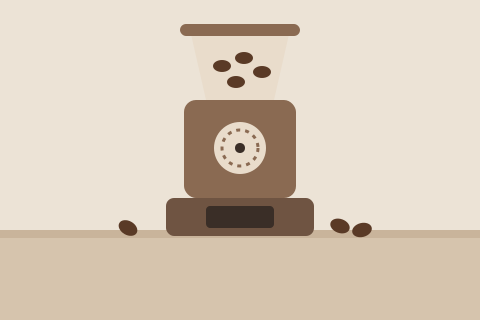
Burr Grinder vs. Blade Grinder: A Decision Framework
Compare adjustment control, workflow, cleaning and evidence without inventing a winning product or firsthand test.
Warm, measured explanations for espresso, grinders, recipes and maintenance—without pretending every cup or machine was personally tested.
Ratios, water, dose and repeatable recipe thinking.
Dialing in, extraction language and troubleshooting.
French press, pour-over and immersion principles.
Grind size, burrs and practical adjustment.
Cleaning routines that defer to manufacturer instructions.
Recipes, troubleshooting and care routines for your next decision.
Compare adjustment control, workflow, cleaning and evidence without inventing a winning product or firsthand test.
A method-by-method reference that treats labels as starting language rather than universal grinder numbers.
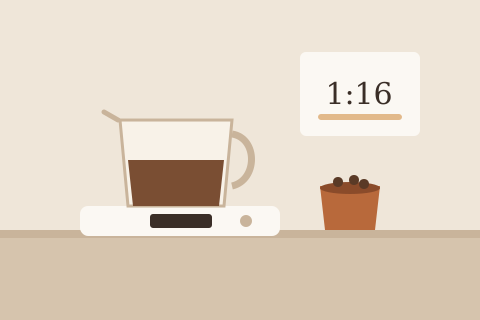
Use ratio as a repeatable starting point, then record one adjustment at a time for the brewer and coffee in front of you.
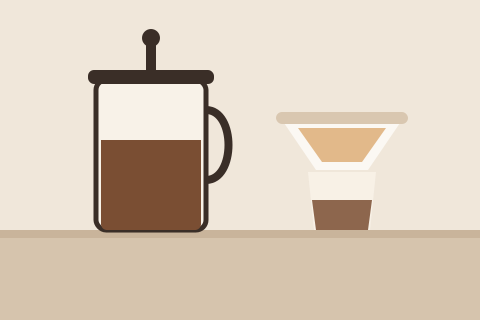
Weigh coffee and water, preserve the same ratio while scaling and adjust one variable after tasting.
A model-first cleaning workflow built around unplugging, dry debris removal and manufacturer-approved component care.
The coffee-to-water recipe scaler turns cups and a chosen ratio into grams. Taste and equipment still decide the final adjustment.
Open the recipe scaler
Understand why generic vinegar recipes are unsafe guidance and build a cleaning record around the machine manual.
Set a baseline, measure the beverage and change one variable per round without pretending a universal recipe fits every coffee.
Separate coffee character, recipe, temperature, flow and cleanliness before making one measured adjustment.
Use taste as a clue, then change one controlled variable while keeping equipment instructions and recipe records visible.